The night the White House Correspondents' Dinner turned into a funeral vigil, America didn’t just lose a moment of levity—it exposed the raw nerve of performative politics. Years later, Jon Stewart peeled back the curtain on what he called the most awkward true colors moment in the aftermath of the 2014 Washington Navy Yard shooting, an event that cut through the usual posturing and revealed who was really listening—and who was just waiting to speak.
Stewart, in a candid reflection during a guest appearance on The Ezra Klein Show, didn’t just recount the tragedy. He focused on the behavior of media and political elites as they processed it—his tone equal parts grief and disbelief. “That was the moment,” he said, “when I realized the machinery doesn’t care about the moment. It cares about the next moment.”
The Night Comedy Died—And Hypocrisy Took the Stage
The 2014 WHCD was supposed to be Stewart’s final appearance as host. Instead, it became a memorial in absentia. Just days before the dinner, a gunman killed twelve people at the Washington Navy Yard. In the wake of the tragedy, laughter felt like betrayal.
Stewart canceled his monologue. The dinner went on—awkwardly. Reporters in tuxedos, politicians sipping cocktails, all performing normalcy in a city still in shock.
But it wasn’t the discomfort that bothered Stewart most. It was what happened next.
“We were supposed to reflect. Grieve. Maybe ask hard questions about gun policy, media complicity, or institutional failure,” he recalled. “Instead, the next day, the coverage shifted back to the red carpet, who wore what, who was spotted with whom.”
He described watching news segments the following morning that spent more time analyzing Michelle Obama’s dress than the names of the victims. “The pivot was breathtaking. That’s when you see the true colors—not of individuals, necessarily, but of the system.”
It wasn’t just insensitivity. It was structural indifference disguised as routine.
The "True Colors" Moment: Who Showed Up, and Who Just Showed Off?
Stewart didn’t name names outright, but his critique was surgical. He pointed to networks that ran tributes during primetime, then cut to pundits debating the “optics” of politicians attending funerals. “They lit candles on camera and then spent the next segment rating the sincerity on a scale of one to ten,” he said. “It wasn’t analysis. It was theater.”
The most awkward truth, according to Stewart, was how quickly the media reverted to form. “The tragedy became a backdrop for positioning. Who looked presidential? Who gave the ‘right’ soundbite? It wasn’t about the lives lost. It was about how the loss could be used.”
He contrasted that with the quiet dignity of local reporters and beat journalists who stayed on the ground, speaking to survivors, neighbors, first responders—not for viral clips, but because it mattered.
“Sincerity doesn’t trend. Grief doesn’t go viral. But performance? That gets booked on every panel.”

The Daily Show’s Role: Satire as a Mirror For nearly sixteen years, The Daily Show under Stewart served as a truth-teller in a landscape increasingly allergic to accountability. But Stewart now reflects that satire has limits when the absurd becomes real.
“The WHCD shooting wasn’t satire. It was horror. And when horror hits, the comedian doesn’t get the last word. The institutions do. And what they say—what they do—reveals everything.”
He recounts a moment backstage that night, where a network producer approached him saying, “We’ll need something light for tomorrow’s show—something to bring people back.”
Stewart responded, “You mean something to help people forget?”
The producer didn’t blink. “Same thing.”
That exchange, he says, crystallized the conflict: entertainment as escapism versus journalism as witness.
Media’s Ritual of Moving On—And Why It Fails Us
One of Stewart’s sharpest insights is how the media’s obsession with “moving on” undermines moral continuity. “We treat grief like a PR problem,” he said. “The script is always the same: tragedy, vigil, tribute, return to normal. But when does ‘normal’ get questioned?”
He pointed to gun violence in particular: “We have mass shootings. We have vigils. We have speeches. Then we do nothing. The institutions aren’t broken. They’re working exactly as designed—to maintain the status quo.”
The WHCD incident, he argues, was not an anomaly. It was a pattern.
- Within 48 hours, cable news shifted focus to the upcoming midterm elections.
- Within 72 hours, political strategists were polling how the shooting affected candidate favorability.
- By the end of the week, it was barely mentioned—except in op-eds about “tone” at public events.
Stewart called this “the great American pivot”—a national tendency to honor the dead with words, then honor the powerful with silence.
Behind the Scenes: What Stewart Tried to Say—And Why It Wasn’t Heard
In private meetings with producers and editors, Stewart pushed for extended coverage, deeper reporting, even a special episode focused solely on gun violence and media complicity. “I wanted us to use the platform not to make people laugh, but to make them uncomfortable.”
The response? Resistance.
“We were told the audience ‘tunes out’ during heavy content. That ‘people want relief.’ But relief from what? From thinking? From feeling?” He paused. “I started to wonder if we were part of the problem.”
Eventually, The Daily Show aired a segment—brief, intense, unflinching. But it was scheduled late, after the comedy blocks. “As if grief needed a content warning,” Stewart said.
That segment, though praised by viewers, was never rebroadcast. No clips went viral. No accolades followed.
“It wasn’t what they wanted. It was what needed to be said.”
The Legacy of That Night: Did Anything Change?
Stewart is candid: no.
“If anything, it’s worse. The machinery has gotten faster, more efficient at consuming tragedy and repackaging it as content.”
He points to recent shootings where hashtags trend, politicians give rehearsed speeches, and within days, nothing changes legislatively. “The performance is flawless. The results? Nil.”
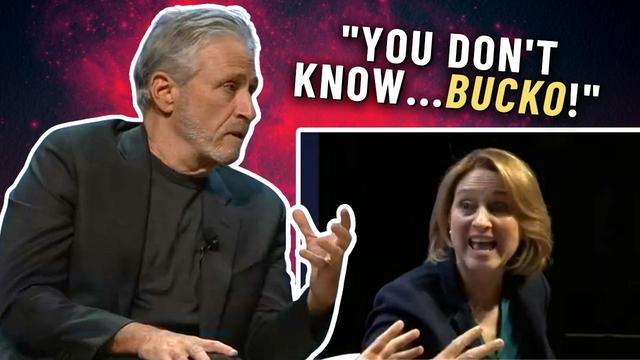
And the WHCD? It’s now more glitzy than ever. Hollywood stars, influencers, viral moments. “The dinner isn’t about journalism anymore. It’s about access, optics, and Instagram stories.”
He doesn’t blame individuals—he blames the incentives. “When your bonus depends on ratings, not responsibility, what do you think will win?”
A Call for Moral Slowness in the Age of Spin
Stewart’s reflection isn’t just critique. It’s a plea for what he calls “moral slowness”—a deliberate pause to let grief, outrage, and accountability exist without being rushed into the next news cycle.
“We don’t need more hot takes. We need cold truths. And the courage to sit in them.”
He suggests journalists ask one question before filing a story: Does this honor the moment, or exploit it?
For audiences, he urges skepticism. “When the coverage shifts too fast, ask why. When politicians speak solemnly but act indifferently, call it out. True colors aren’t revealed in speeches. They’re revealed in silence—in what’s left unsaid and undone.”
Conclusion: The
Most Awkward Truth Is the One We Ignore
Jon Stewart’s revelation about the most awkward true colors moment after the WHCD shooting isn’t about a single gaffe, a bad joke, or an offhand comment. It’s about the collective failure to let tragedy disrupt the routine.
The real discomfort wasn’t the absence of comedy. It was the presence of business as usual.
If there’s a lesson, it’s this: when the cameras linger on the powerful during times of grief, watch not what they say—but what they do next. That’s where the truth lives.
For media consumers, the power isn’t in outrage. It’s in attention. Where we focus, what we demand, and what we refuse to let be forgotten.
Hold the moment. Don’t let them move on.
FAQ
What did Jon Stewart say about the WHCD shooting? He criticized the media and political class for quickly returning to performative routines instead of confronting systemic failures after the 2014 Washington Navy Yard shooting.
Why was the 2014 WHCD so controversial? It occurred days after the Navy Yard shooting, and many felt the event’s glitzy nature clashed with national mourning, highlighting a disconnect between elites and public grief.
Did Jon Stewart host the WHCD in 2014? Yes, but he canceled his traditional comedic monologue out of respect for the victims, marking a somber departure from the event’s usual tone.
What does “true colors” mean in this context? It refers to how people and institutions react under pressure—revealing their genuine priorities, often exposing hypocrisy or indifference.
How did the media respond to the shooting? Many outlets briefly covered the tragedy but quickly pivoted to political analysis, fashion commentary, and speculation about how it affected public figures’ images.
What is Jon Stewart’s critique of modern journalism? He argues that news media prioritizes ratings and speed over truth and moral responsibility, turning tragedy into content rather than catalyst for change.
What can audiences do to demand better coverage? Stewart suggests holding media accountable by questioning motives, supporting in-depth reporting, and rejecting narratives that prioritize spectacle over substance.
What mistakes should you avoid? Avoid generic choices, weak validation, and decisions based only on marketing claims.
What is the next best step? Shortlist the most relevant options, validate them quickly, and refine from real-world results.