Maitland Ward didn’t set out to become a critic of Hollywood’s treatment of young talent. She was just a kid chasing a dream—landing a role on Boy Meets World, one of the most beloved sitcoms of the ’90s. But behind the laughter, the applause, and the polished scripts, she says something darker was at play: a system that treated young actors not as children, but as products to be molded, marketed, and discarded.
Now, years after leaving mainstream TV, Ward has become one of the most candid voices on how the entertainment industry commodifies youth. Her revelations aren’t just about her own experience—they reflect a broader pattern affecting countless child stars across Disney, Nickelodeon, and other youth-driven networks.
The Assembly Line of Young Fame
Hollywood has long relied on child actors to fill its sitcoms, franchises, and streaming series. But behind the scenes, Maitland Ward describes a process that felt less like nurturing talent and more like running a factory.
“You’re cast, contract signed, scheduled, publicized. There’s no time to be a kid,” she said in a recent interview. “You’re on a conveyor belt. You show up, perform, smile for photos, and keep moving.”
This “factory” model isn’t accidental. It’s efficient. Production companies need consistency, predictability, and profitability. Child stars—especially those on long-running shows—are expected to deliver emotional performances under grueling schedules, often without adequate support.
Ward recalls working 14-hour days on Boy Meets World while still in school. “We’d shoot all day, do homework in trailers, then go back to filming. And if you complained? You were told there were 20 kids waiting to take your spot.”
That pressure cooker environment breeds dependency. Young actors learn quickly: conform or be replaced.
The Illusion of Choice and Control
One of the most insidious aspects of the system, Ward argues, is how it masks control as opportunity.
“You’re told you’re lucky. That you’re living the dream. So when your agent schedules you for seven auditions in one day, or your publicist tells you to wear something revealing at 16, you don’t question it. You think, This is part of the job.”
She points to the lack of legal protections for minors in entertainment. While there are trust accounts (Coogan laws) to protect a portion of a child’s earnings, there’s no equivalent safeguard for their emotional well-being, mental health, or personal boundaries.
Take photo shoots and promotional events. Ward recalls being styled in increasingly mature outfits as she approached her late teens—even when the role didn’t require it.
“I was 17, being dressed like I was 25. No one asked how I felt. It was all about selling a narrative. The ‘cute Disney girl’ becoming ‘the next big thing.’ And once you start down that path, it’s hard to step off.”
This performative sexualization isn’t unique to Ward. Stars like Jamie Lynn Spears, Dylan Sprouse, and Ariana Grande have all spoken about feeling pressured to mature quickly in the public eye—often before they were emotionally ready.
The Aftermath: Identity, Trauma, and Reinvention When the spotlight fades, the disorientation hits hard.
Many child actors struggle with identity outside their roles. Ward says she spent years trying to “unlearn” the habits Hollywood ingrained in her: people-pleasing, self-doubt, and the constant need for external validation.
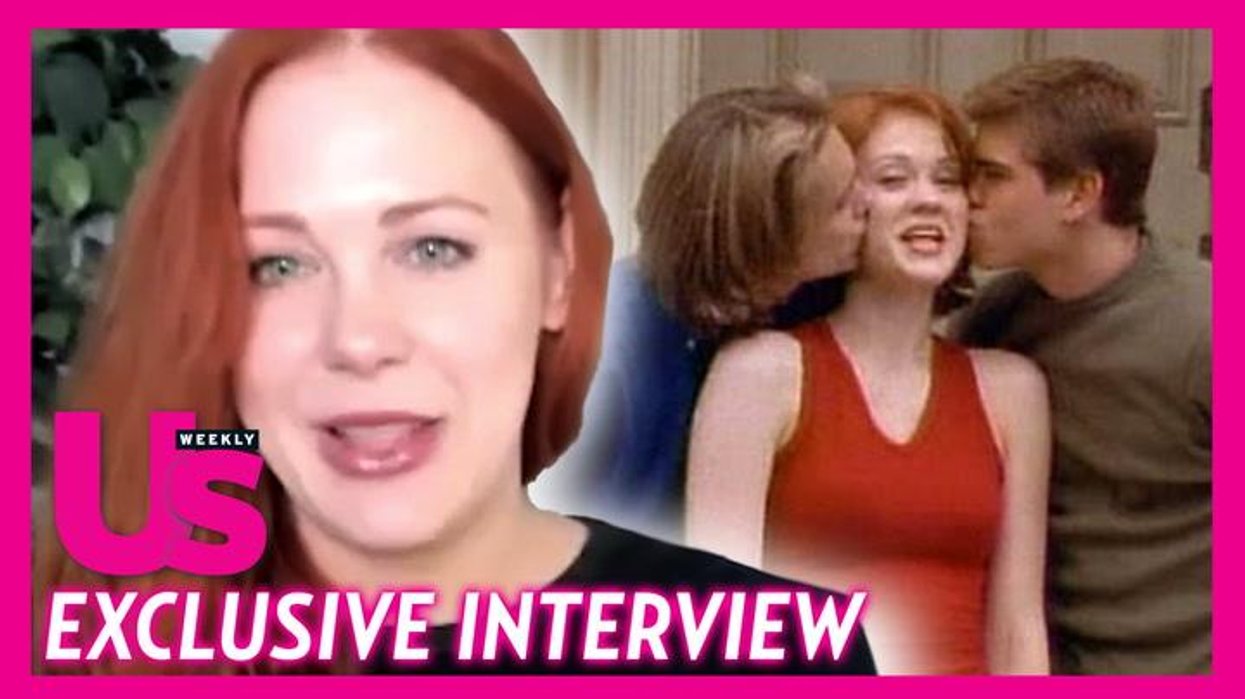
“It’s not just about losing fame. It’s about realizing you were never really seen. You were a character, a brand, a product. And when the product cycle ends, they move on.”
Her pivot to adult entertainment wasn’t just a career shift—it was an act of reclamation.
“I wanted to be in control of my image. In mainstream Hollywood, I was told how to look, act, and speak. In this new space, I decide. It’s empowering, but also a critique of what came before.”
While her choice sparked controversy, it also opened conversations about agency, autonomy, and the right of former child stars to redefine themselves on their own terms.
Systemic Exploitation: It’s Not Just Disney
Though Disney is often the poster child for youth entertainment, the issue spans networks and studios.
Nickelodeon, Warner Bros., and even indie productions have faced scrutiny for grueling workloads, inadequate mental health support, and blurred boundaries between personal and professional life.
Consider these patterns:
- Long-term contracts with little exit flexibility: Many young actors sign multi-year deals with few clauses for withdrawal due to stress or abuse.
- Limited access to education: On-set tutoring is required by law, but quality varies wildly. Some children fall behind academically, with no long-term support.
- Public scrutiny without emotional protection: Social media amplifies criticism. Child stars are mocked, body-shamed, and dissected online—often with no crisis management from their teams.
Even when studios claim to prioritize well-being, Ward says the profit motive always wins.
“They’ll hire a child therapist if there’s a scandal. But day-to-day? No one checks in. No one asks, ‘Are you okay?’ It’s about keeping the machine running.”
Why Accountability Is Still Lacking
Despite high-profile exposés—from documentaries like Quiet on Set to memoirs by former stars—real change remains slow.
Why?
Because the system protects itself.
Agents, managers, and networks benefit from the status quo. They control access to roles, media, and public perception. When a young actor speaks out, they risk being labeled “difficult” or “ungrateful”—a blacklist in all but name.
Ward acknowledges the risk in speaking candidly.
“I’ve lost allies. People I thought were friends stopped returning my calls. But I also heard from so many former child actors saying, ‘Thank you. I felt the same way.’”
She argues that real reform requires structural shifts:
- Independent advocates for minors on set – Not studio-appointed staff, but legally empowered representatives focused solely on the child’s well-being.
- Transparent scheduling limits – Enforceable caps on work hours, with mandatory breaks and mental health days.
- Post-show transition programs – Support for education, therapy, and career development after a series ends.
- Public accountability – Studios should report on child labor practices, similar to ESG metrics in corporate governance.
Until then, the cycle continues.
Voices That Matter: Other Former Stars Speaking Out
Ward isn’t alone. A growing chorus of former child actors are challenging the myth of the “perfect Hollywood upbringing.”
- Demi Lovato: Opened up about eating disorders, addiction, and abuse during their time on Sonny with a Chance.
- Joey King: Spoke about the pressure to maintain a “girl next door” image despite evolving as an artist.
- Raven-Symoné: Criticized Disney for controlling her image and limiting her roles due to race and identity.
- Nikki Reed: Left acting young, citing the industry’s toxic environment for young women.

Their stories share common threads: loss of autonomy, emotional neglect, and the long road to self-reclamation.
Ward’s contribution is particularly significant because she didn’t just leave the industry—she stepped into a space that mainstream Hollywood often shames. In doing so, she exposes the hypocrisy of an industry that profits from youth while policing their choices afterward.
What Needs to Change—And How
Change won’t come from PR statements or one-off policy tweaks. It requires a cultural shift in how we view young performers.
Here’s what can be done:
1. Strengthen Legal Protections Expand Coogan laws beyond finances. Include mandatory mental health evaluations, third-party oversight, and legal guardianship that prioritizes the child’s interests—not the production’s.
2. Normalize Exit Paths Not every child star wants—or should be expected—to stay in entertainment. Schools, therapists, and career counselors should help them transition to new lives without stigma.
3. Empower Young Voices Let child actors have final say over roles, wardrobe, and publicity. Use consent forms for mature content, even if they’re minors. Age doesn’t erase agency.
4. Educate Parents and Guardians Many families enter the industry with limited understanding of its demands. Studios should provide mandatory orientation on labor rights, emotional risks, and long-term planning.
5. Support Survivor-Led Advocacy Fund organizations founded by former child stars. They understand the system’s flaws better than any consultant.
Closing: Reclaiming Humanity Over Hollywood
Maitland Ward’s story isn’t just about one woman’s journey from Disney to adulthood. It’s a warning about what happens when talent is reduced to a product.
The fact that she—and so many others—had to leave the mainstream system to regain control of their lives says everything.
Hollywood loves to sell nostalgia. It reboots shows, reunites casts, and cashes in on childhood memories. But it rarely reckons with the cost of those memories.
If we’re going to celebrate the work of young actors, we must also protect them while they’re creating it. Not as brands. Not as content. But as people.
The factory doesn’t have to keep running. We can choose to see the child behind the character.
Action Step: If you’re a parent, advocate for your child’s boundaries. If you’re a viewer, question the stories you’re sold. And if you’re a survivor—your voice matters. Speak, and know you’re not alone.
FAQ
What show was Maitland Ward on? Maitland Ward played Rachel McGuire on the ABC sitcom Boy Meets World from 1997 to 2000.
Why did Maitland Ward leave mainstream acting? She transitioned to adult entertainment, citing a desire for creative control and autonomy over her image—something she felt was missing in traditional Hollywood.
Did Maitland Ward face backlash for her career change? Yes. She received significant criticism but has also been praised for speaking openly about agency and empowerment.
Are child actors protected by law in Hollywood? Yes, but only partially. Coogan laws protect a portion of their earnings, but there are no comprehensive protections for mental health or personal boundaries.
What is the "Hollywood factory" metaphor? It refers to the systematic, often impersonal way young actors are cast, scheduled, marketed, and replaced—prioritizing profit over well-being.
Has Disney responded to allegations about child star treatment? Disney has not issued a direct response to Maitland Ward’s comments, but has made public statements about prioritizing safety on set.
How can the entertainment industry better support young actors? By implementing independent advocates, mental health resources, work-hour limits, and post-career transition programs.
FAQ
What should you look for in Maitland Ward on Hollywood’s Child Star Machine? Focus on relevance, practical value, and how well the solution matches real user intent.
Is Maitland Ward on Hollywood’s Child Star Machine suitable for beginners? That depends on the workflow, but a clear step-by-step approach usually makes it easier to start.
How do you compare options around Maitland Ward on Hollywood’s Child Star Machine? Compare features, trust signals, limitations, pricing, and ease of implementation.
What mistakes should you avoid? Avoid generic choices, weak validation, and decisions based only on marketing claims.
What is the next best step? Shortlist the most relevant options, validate them quickly, and refine from real-world results.